
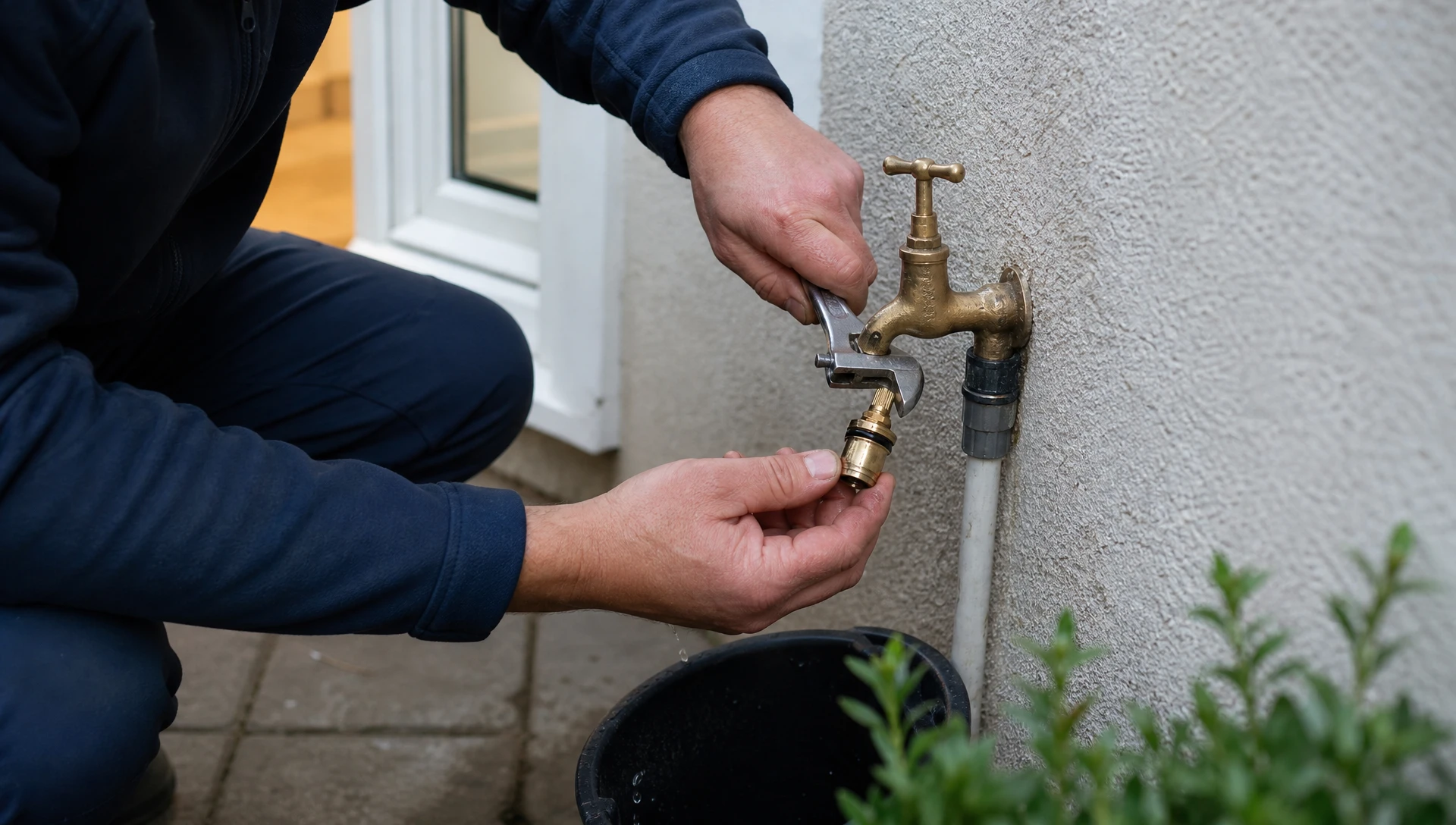
Tap Head Replacement
A damaged tap head can make a simple job awkward every day. Sometimes the handle has cracked, worked loose, or no longer grips the spindle properly. In other cases the head is not the only fault, and the real issue is deeper in the tap body where the washer, cartridge or ceramic valve is wearing out.
Leaking Tap Repair Liverpool deals with this kind of fault across Liverpool, including homes and small businesses. In a city with a long history of hard-working buildings and older plumbing, it is common to find taps that have been repaired before, have mixed parts fitted, or need a careful match rather than a quick swap. We cover areas such as Aigburth and Kensington.
If the tap is dripping, stiff to turn, or the handle no longer operates it cleanly, the first step is to identify whether the head alone needs changing or whether the working parts underneath have failed as well. That decides whether a straightforward repair will last.
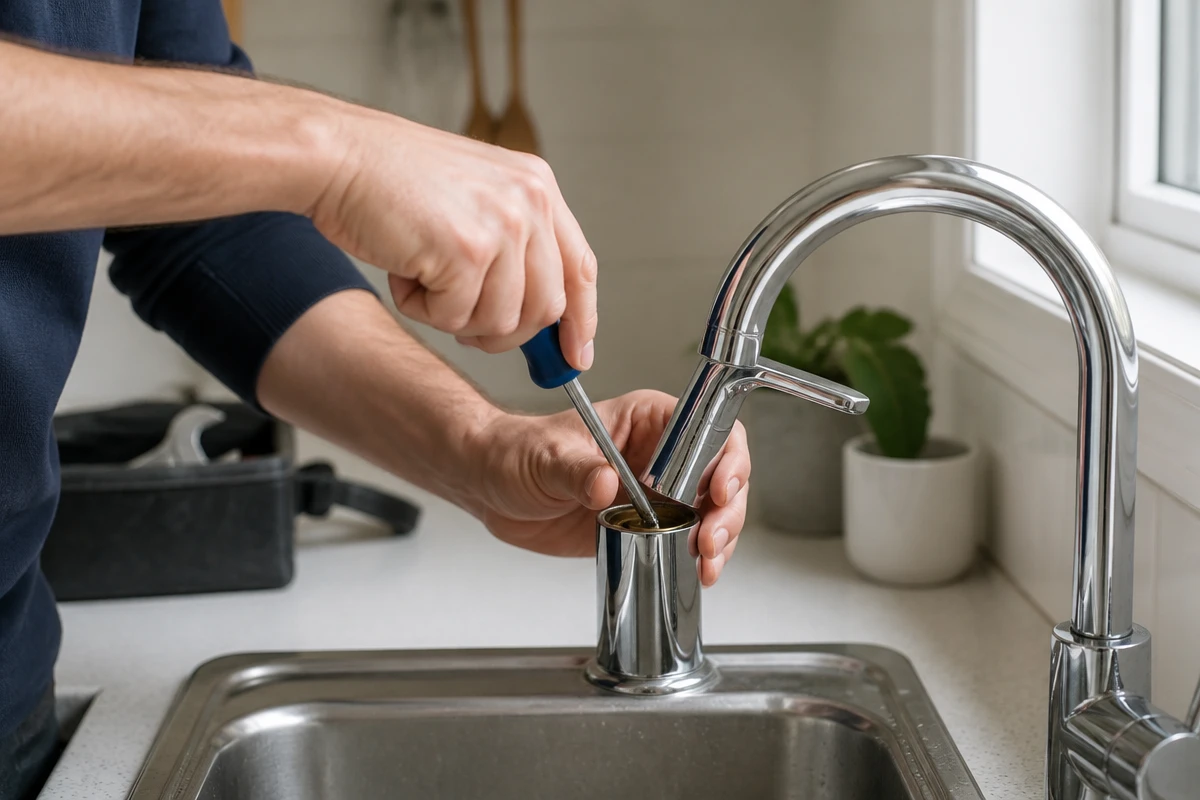
Tap Replacement
In many cases, Tap Replacement is not the first answer. A lot of taps can be kept going by replacing the worn internal parts, tightening the handle fixing, or fitting a new head where the old one has split or rounded off. Traditional taps often fail at the washer or valve seat. Mixer taps more often suffer from a worn cartridge or a damaged lever fitting.
Replacement starts to make more sense when the tap body is corroded, the threads are damaged, the seat is too badly worn to seal properly, or earlier repairs have left the internals mismatched. A broken head on its own is often repairable. A broken head combined with a seized spindle or leaking body usually points to a full change being the better option.
We give a clear quote before any work starts, and if a repair is not worth putting money into, we will say so plainly. Where possible, the job is completed on the visit with the water back on before we leave.
Kitchen Tap Head Replacement
With Kitchen Tap Head Replacement, the difficulty is often not the handle itself but finding a suitable match for the fixing and spindle underneath. Kitchen taps take a lot of daily use, so repeated tightening, limescale and wear can distort small parts over time. On older taps, the original maker may no longer produce that exact head.
That does not always mean the whole tap has to go. Some kitchen tap heads can be replaced with a compatible part if the spline, thread and fixing depth are checked properly first. On others, especially older or discontinued models, the sensible route is to replace the cartridge or valve assembly as well so the new head actually works as it should.
A common sign is a handle that turns but does not open the water cleanly, or one that wobbles because the fixing has stripped. We assess whether the fault is confined to the head, whether the stem has worn, or whether the internal valve has started to bind. If matching parts is possible, we do that. If not, we advise whether a full tap change is the better use of money.
Bath Tap Head Replacement
A Bath Tap Head Replacement job often involves access and condition rather than just the visible handle. Bath taps are regularly fitted tight against tiles, boxed-in pipework, or the back edge of the bath, which can make even a simple head change slower if the tap has not been moved in years.
Bath taps also see heavier flow and stronger turning force than many basin taps. That can leave the head loose on the spindle, crack the handle around the fixing point, or damage the top of the valve. If the head has broken because the tap was becoming stiff, the internal mechanism usually needs attention too. Fitting a new handle onto a seized valve rarely lasts.
Another issue is leakage around the top of the tap when it is operated. That points more towards a gland or internal sealing fault than a cosmetic head problem. In those cases we deal with the cause, not just the visible symptom, so the tap can be turned on and off properly without forcing it.
Mixer Tap Head Replacement
With Mixer Tap Head Replacement, the fault is often tied to how the tap blends hot and cold water. A single-lever mixer uses a cartridge that controls flow and temperature together. If the lever becomes loose, stiff, or stops lining up correctly, the problem may be the handle fixing, the cartridge, or both.
Unlike a traditional pillar tap, a mixer has to balance two supplies through one body. Wear inside the cartridge can make temperature control erratic, reduce flow, or leave the lever feeling rough through its movement. Sometimes the head or lever is intact but no longer grips the cartridge spindle securely. Other times the lever has fractured after being forced against a cartridge that has begun to seize.
Twin-handle mixers can have separate hot and cold valves under matching heads, and one side may fail before the other. We check which part has actually worn rather than replacing visible pieces at random. Leaking Tap Repair Liverpool handles repairs to dripping, leaking and stiff taps, including mixer taps where cartridge replacement is the proper fix.
Sink Tap Head Replacement
A Sink Tap Head Replacement call often comes after a handle has worked loose for some time and finally stopped engaging. Sink taps in kitchens, utility rooms and cloakrooms are exposed to regular splashing, cleaning chemicals and constant use, so small screws and retaining caps can corrode or seize.
One practical issue here is movement in the tap base. If the sink tap is loose underneath, the extra flex can put strain on the head and valve every time it is turned. Replacing the head without dealing with that movement can leave the new part under the same stress. Where needed, we check the mounting and the isolation valves as part of the repair.
There is also the question of water damage below the sink. A failed head can be mistaken for the source of a leak when the actual problem is from the gland, flexible tails, or the base seal. Proper diagnosis matters, especially in cupboards where minor drips go unnoticed until the unit has swollen or stained.
Cross Head Tap Replacement
A Cross Head Tap Replacement is common on older bathroom and utility taps. These handles can last for years, but once the centre fixing loosens or the body of the handle cracks, they may spin without opening the valve properly or come away in the hand.
Crosshead taps are usually fitted to more traditional mechanisms, often with rubber washers rather than modern ceramic cartridges. That means the handle problem may be linked to a washer that has worn down and encouraged overtightening. People naturally apply more force to stop a drip, and over time that can damage the head, spindle top or valve.
The repair depends on what has survived underneath. If the spindle is sound, a head replacement may be enough. If the splines have worn or the valve is stiff, the internal parts need attention as well. We also replace washers and deal with worn seating issues where that is the real reason the tap has been forced.
Pull Out Tap Head Replacement
A Pull Out Tap Head Replacement usually refers to the spray head on a pull-out kitchen tap rather than the operating handle. These fittings fail in different ways from ordinary tap heads. The spray head can crack, the button can stick between spray modes, or the hose connection can start leaking inside the spout or below the sink.
Because the head is attached to a moving hose, wear tends to build up around the connection points. Repeated pulling, twisting and retraction can weaken seals and clips. Sometimes the head itself is the only failed part. In other cases the hose, weight, or diverter inside the tap body is also worn, which is why the spray no longer switches cleanly or the head does not sit back properly.
Access under the sink is often part of the job on these taps. The hose has to run freely, and any leak needs tracing to the correct point before parts are changed. If you need Leaking Tap Repair Liverpool to inspect a pull-out tap or any other broken tap head, get in touch on 07496 477 866 or email [email protected]. WhatsApp is available on the same number.